

This is the next instalment in the Living in Mérida/Mexico series. If you were a bit bummed out by the previous article's slightly negative bend, then stick around because this is where it gets a lot better.
Today, we will examine healthcare in Mexico and how that compares to healthcare in Canada.
What we will cover in this article:
Mexican healthcare systems
Public healthcare for expats
Private healthcare for expats
Private health insurance
How to book an appointment with a specialist or home visit online
Ambulance services
Pharmacies and Prescriptions
Dental and Vision Care
Typical Out-of-Pocket Costs
Access to Medicines and Natural Health Products
Integrative and Alternative Therapies
Whenever you get into a discussion online about life outside of Canada, there is always that one person who pipes up, “but we have universal, free healthcare!”
Wow, universal and free. That sounds amazing, until you actually try to use it and discover that the promise is not worth the paper its written on. How many of you have spent upwards of six hours in the Emergency Room, waiting to be seen? How many have just given up and gone home after hours of torturous suffering in the waiting room? How many Canadians have actually died in the ER?
Let’s move on to appointments. I have not lived in Canada for a hot minute, so if I’m wrong here, please correct me. If you want to see a specialist of any kind, you generally have to first get through the family doctor gatekeeper. He may or may not agree with your request to see a specialist, and if he does, he will refer you to one of his choosing, not yours. Then comes the waiting game. How many weeks to get an MRI, or some other specialist appointment?
And if you live in small town Canada, how many times have you arrived at the ER only to discover that it is… CLOSED. Not so universal now, is it?
Mexico offers a broad range of healthcare options. It gets quite complex if you really dig into all of the different ways people use healthcare here, but I’ll try to keep it simple and only focus on the ways that are normally available to and used by expats.
How Healthcare Works in Mexico
Mexico does not have a unified public healthcare system comparable to the provincial systems in Canada. Instead, it has multiple public systems that operate alongside one another, each serving a different category of the population.
Some systems serve government employees, members of the armed forces or workers in particular sectors, while another functions as a public safety net for people without social-security coverage.
As mentioned above, I’ll focus only on the systems that may be available to, or commonly used by, expats.
IMSS
IMSS is Mexico’s main employment-based social-security system. Although most expats will not enter through a Mexican employer, legally resident foreigners can also join voluntarily as independent workers or through IMSS’s Seguro de Salud para la Familia.
The Seguro de Salud para la Familia is probably the more relevant route for retirees and other expats who do not work for a Mexican employer. Each person pays an annual fee in advance according to their age bracket, with older applicants paying more. This is not a higher level of coverage; it is simply how IMSS calculates the contribution for voluntary members.
Once enrolled, the patient is assigned to an IMSS family clinic based on their address. Routine care begins there, with referrals required for most specialist treatment and hospital services. Coverage includes medical consultations, medication, surgery, hospitalization and maternity care within the IMSS system, subject to the program’s exclusions and waiting periods.
The main drawback is that voluntary enrollment is not necessarily available without restriction. Certain pre-existing conditions can prevent enrollment, while other treatments are subject to waiting periods. Patients must also accept the usual limitations of a large public system, including assigned facilities, referral procedures and potentially lengthy waits.
IMSS-Bienestar
IMSS-Bienestar is the publicly funded healthcare system for people who do not have coverage through ordinary IMSS or another Mexican social-security institution. Unlike voluntary IMSS, there is no annual premium. The system is intended to provide consultations, medications, diagnostic tests, surgery and hospital care without direct charges to the patient.
Yucatán began operating under the new IMSS-Bienestar model in May 2026, following the state’s incorporation agreement and the opening of free services at the Hospital General Dr. Agustín O’Horán. Because the transition is recent, the wider network of state clinics and hospitals is still being incorporated into the new model.
National IMSS-Bienestar registration normally requires a CURP, current identification, an address, a facial photograph and contact information. However, the national registration portal does not yet list Yucatán among its participating states, and the official guidance does not clearly explain whether or how foreign temporary and permanent residents may register locally.
For routine care, a patient would normally begin at the public health unit nearest their home and be referred onward when specialist or hospital treatment is required. IMSS-Bienestar may eventually provide foreign residents with an important safety net, but access in Yucatán should be confirmed directly rather than assumed. The state’s transition is new, and foreign-resident eligibility remains insufficiently explained.
A personal note on the public health system: if you can afford private healthcare, go with that. The public healthcare system can be very slow, extremely inefficient and lack basic equipment and medicines. During several local church outreach missions, I have had a few conversations with family members waiting for loved ones inside the O’Horán hospital. Some of them stay on the sidewalk for days while their loved ones are waiting for medicine or treatment. Families have told me that, at times, they were asked to contribute money or obtain supplies before treatment could proceed.
This may not be how the system is advertised, but it is part of the reality on the ground. This is also not a condemnation of the public healthcare system, as this is sadly the best many can afford. Nevertheless, it is important to understand the realities of how the public system functions.
Private Healthcare
The old adage goes that you get what you pay for, and I am a firm believer in that expression. Not only does the quality and service level usually improve when you pay for something, but so do your choices and control of outcomes.
There is no family doctor gatekeeper here. In fact, most people I know don’t even bother to contact a family doctor. You might only visit one in a pinch when you’re feeling sick and it’s late in the evening. In that case, you’ll usually easily find a family doctor in a small office next to a pharmacy. It will cost you around MXN 60, and you’ll have your consultation and get a prescription if needed.
Most of the time, you will directly contact a specialist and see him in person. Suppose, for example, that you have a stubborn head cold and want to see the doctor. You’ll get up in the morning, google an ear, nose and throat (ENT) specialist, have a look at their reviews, maybe look for an English-speaking one, and then contact them directly. Many times, you will get an appointment that SAME day. This goes for all kinds of specialists, including dermatologists and cardiologists. Depending on the specialist, you can expect to pay around MXN 1,000 to MXN 1,400 per visit. That’s about $80 to $112 CAD.
Need an MRI? Why wait? Just contact the clinic, schedule an appointment for the next day or two and go get it done.
Same goes with the ER. I’ve had to visit the ER probably 3 times since I moved to Mérida. Every time I go, I time the process to see how quickly I am seen. The last time was in October of 2025. 8 minutes.
That’s exactly 8 minutes from the moment I entered the main door of the hospital to the moment the doctor walked into the examination room. Would you rather suffer in silence for 9 hours for free and expose yourself to all the germs flying around in the waiting room while your immune system is down, or would you prefer to pay a hundred bucks to be seen immediately?
The beauty of private care is that the waiting room is not clogged with half the city debating whether a runny nose has become an emergency. You pay, you get seen, and you go home.
Another benefit is that some of the specialists have studied in the United States and can speak enough English to assist you.
Private Health Insurance in Mexico
For many expats, private insurance is the most practical way to protect against a major hospital bill while still paying directly for routine appointments and prescriptions.
The main difference is between Mexican major-medical insurance and international expatriate insurance.
Mexican policies are usually designed primarily for treatment inside Mexico. Major providers include GNP, AXA, Allianz and Bupa. GNP reported a 24.6% share of Mexico’s major-medical insurance market in 2024, making it the national market leader.
These policies generally cover serious illnesses, accidents, surgery and hospitalization rather than every routine medical expense. You would pay an annual premium, along with a deductible and a percentage of the remaining bill through co-insurance.
For example, if a covered hospital bill reached MXN 500,000, the patient might first pay a MXN 50,000 deductible and then 10% of the remaining amount. Some policies cap the co-insurance payment, but this should be confirmed before purchasing.
The hospital network is also important. The policy should be checked against the actual private hospitals the resident would use in Mérida, such as Faro del Mayab, Clínica de Mérida, Star Médica or Centro Médico de las Américas. A nationwide policy does not necessarily include every hospital under every plan.
Premiums vary too widely for a single meaningful average. Age, medical history, deductible, co-insurance, hospital network and geographic coverage all affect the price. Costs generally rise sharply after age 60, and older applicants may face more limited coverage.
Applicants must normally disclose previous illnesses, operations, medications and ongoing symptoms. The insurer may exclude a pre-existing condition, impose a waiting period, increase the premium or decline the application. Entry also becomes more difficult with age, which is why someone planning to retire in Mexico should investigate coverage before developing a serious medical condition.
International expatriate policies provide broader coverage outside Mexico and may allow treatment in the United States, Canada or elsewhere. They are useful for people who travel frequently or divide their time between countries, but they are normally much more expensive, especially when United States coverage is included.
Many expats therefore use a hybrid approach: they pay directly for ordinary consultations, tests and medication, while maintaining insurance for cancer, surgery, intensive care or another major medical event.
The Main Private Hospitals in Mérida
There are several private hospitals available in Mérida. Among the best known are:
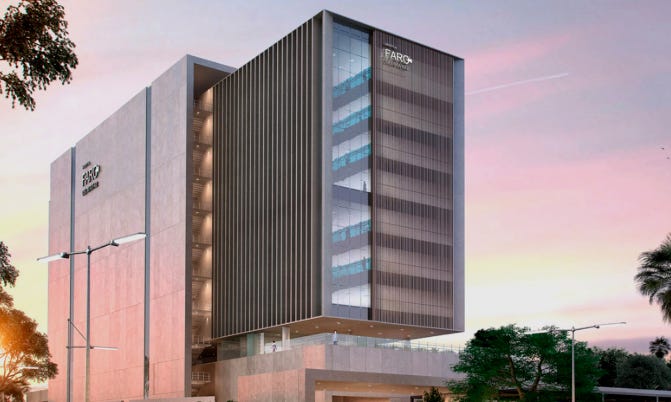
Faro del Mayab
A modern hospital in northern Mérida offering emergency care, specialist consultations, surgery, intensive care, diagnostic imaging, rehabilitation and haemodialysis. It is one of the city’s larger and more technologically equipped private facilities.
Star Médica
Part of a national private-hospital chain, Star Médica Mérida provides emergency, surgical, diagnostic and specialist services. It is a popular option for patients with private insurance and those looking for a modern hospital environment.
Clínica de Mérida
A long-established local hospital with adult and paediatric emergency departments operating around the clock. It also provides surgery, maternity care, laboratory services and extensive diagnostic imaging, including MRI and CT scans.
Centro Médico de las Américas
Commonly known as CMA, this centrally located private hospital offers 24-hour emergency care, maternity services, specialist consultations, diagnostic testing and complex surgery. It has a large medical directory and works with several major insurers.
How to Book an Appointment With a Specialist or Home Visit Online
Go to https://www.doctoralia.com.mx/ or download the Doctoralia mobile app. Enter the specialist you’re looking for along with your city in the search bar and click Search. A list of qualified specialists pops up and you can immediately see their patient review score, the appointment fee, and the open slots in their schedule. Click on Más filtros and select Inglés under Idioma and search again. Now you have a list of qualified specialists that also speak English.
Doctoralia also lets you search for providers who make home visits. In Mérida, a range of doctors and therapists offer this service, with fees often listed directly on their profiles. This can be especially useful for older residents, people with mobility problems or anyone too unwell to travel to a clinic.
In the video example below, I searched for an English-speaking orthopaedic specialist and found one with 647 five-star reviews. The consultation fee was MXN 800, or MXN 1,000 for a first visit (about $64 CAD) and an appointment was available the very next day, July 27, 2026, at 10:20 a.m.
And there you go. No need to convince your family doc or wait weeks or months for an appointment. Get it done before lunch.
Ambulance Services in Mérida
Mexico does not have one single ambulance service attached to the healthcare system. In Mérida, ambulance services may be provided through the government, the Red Cross or a private ambulance company.
For a life-threatening emergency, call 911. Like in the United States and Canada, this service operates around the clock and coordinates the appropriate emergency response. Mérida also has Red Cross ambulances, which can be contacted through 911 or directly via Red Cross.
A public or Red Cross ambulance will generally transport the patient to an appropriate receiving hospital based on the emergency, available services at the hospital, and the instructions of the dispatch. The patient may not necessarily have the option of choosing a particular private hospital.
Private ambulances are also available and are commonly used for planned transfers, transport between hospitals, or long-distance medical transportation. Some private hospitals will arrange for an ambulance directly.
Private ambulance charges depend on the distance travelled, the patient’s condition and whether basic or advanced life support is required. As a broad guide, a local ambulance trip may cost several thousand pesos, with advanced-care vehicles, medical personnel or longer transfers costing more. The price should be confirmed before a non-emergency journey whenever possible. That is useful advice for many services in Mexico: agree on the price before the work begins.
Private health insurance may cover medically necessary ambulance transportation, but coverage is not automatic.
Anyone settling in Mérida should save 911, the local Red Cross numbers and the emergency number of their preferred private hospital. They should also confirm in advance whether their insurer covers ambulances and whether it requires the use of a particular provider.
Pharmacies and Prescriptions
There is a broad range of pharmacies in Mérida, and in some neighbourhoods they seem almost as common as OXXO. Some are fairly bare-bones outfits selling little more than medication and basic supplies, while others are fully fledged locations much like Shoppers Drug Mart with cosmetics, toiletries, convenience products and a much larger pharmacy counter.
One of the best-known chains is Farmacias Similares, recognizable by its dancing Dr. Simi mascot. The company specializes in lower-cost generic medications and is well known for its Monday promotions, which offer 25% off many products.

Common over-the-counter products include pain relievers, antihistamines, cold remedies and many topical creams.
Antibiotics and controlled medications officially require a prescription. But in practice, enforcement is not always consistent. On a few occasions, I have been sold medication that should have required one, apparently because the staff had little interest in struggling through the language barrier or explaining the requirement.
The rules can be applied even more loosely in heavily touristed areas. Along Playa del Carmen’s Fifth Avenue, for example, some pharmacies openly advertise medications that would normally require a prescription. That does not mean the sale is necessarily legal, only that access in practice can be very different from what a Canadian is accustomed to.
Many of the larger pharmacy chains also have a small medical office directly beside the pharmacy. A general practitioner can assess minor illnesses, write prescriptions and refer a patient onward when necessary. These walk-in consultations commonly cost somewhere around MXN 50 to MXN 100, although the price varies by location and provider.
Dental and Vision Care
Dental care is generally much more affordable in Mérida than it is in Canada. Many clinics offer a free or low-cost initial assessment before providing a written estimate for treatment. A routine cleaning commonly costs around MXN 500 to MXN 1,000, while a simple tooth-coloured filling may cost approximately MXN 600 to MXN 1,000.
One of the things I particularly appreciate about private healthcare in Mexico is the direct contact you often have with the person treating you. Dentists frequently communicate with patients through WhatsApp, making it easy to book appointments, ask follow-up questions or send a photograph when something does not look right.
That contact often continues after treatment. Following something more invasive, such as wisdom-tooth removal or oral surgery, the dentist may message the patient directly to ask how the recovery is going. It feels much more personal than being sent home with a printed instruction sheet and told to call the main office if something goes wrong.
Vision care is similarly easy to access. Mérida has optometrists, ophthalmologists and optical shops throughout the city, and many allow patients to book directly without a referral. Basic optometry consultations advertised locally range from roughly MXN 200 to MXN 450, although specialized assessments may cost more. Glasses and contact lenses can often be ordered directly after the examination.
For anyone considering a move to the Mérida area, or planning a visit for dental, vision or other medical care, I would be happy to share local recommendations.
Typical Out-of-Pocket Costs
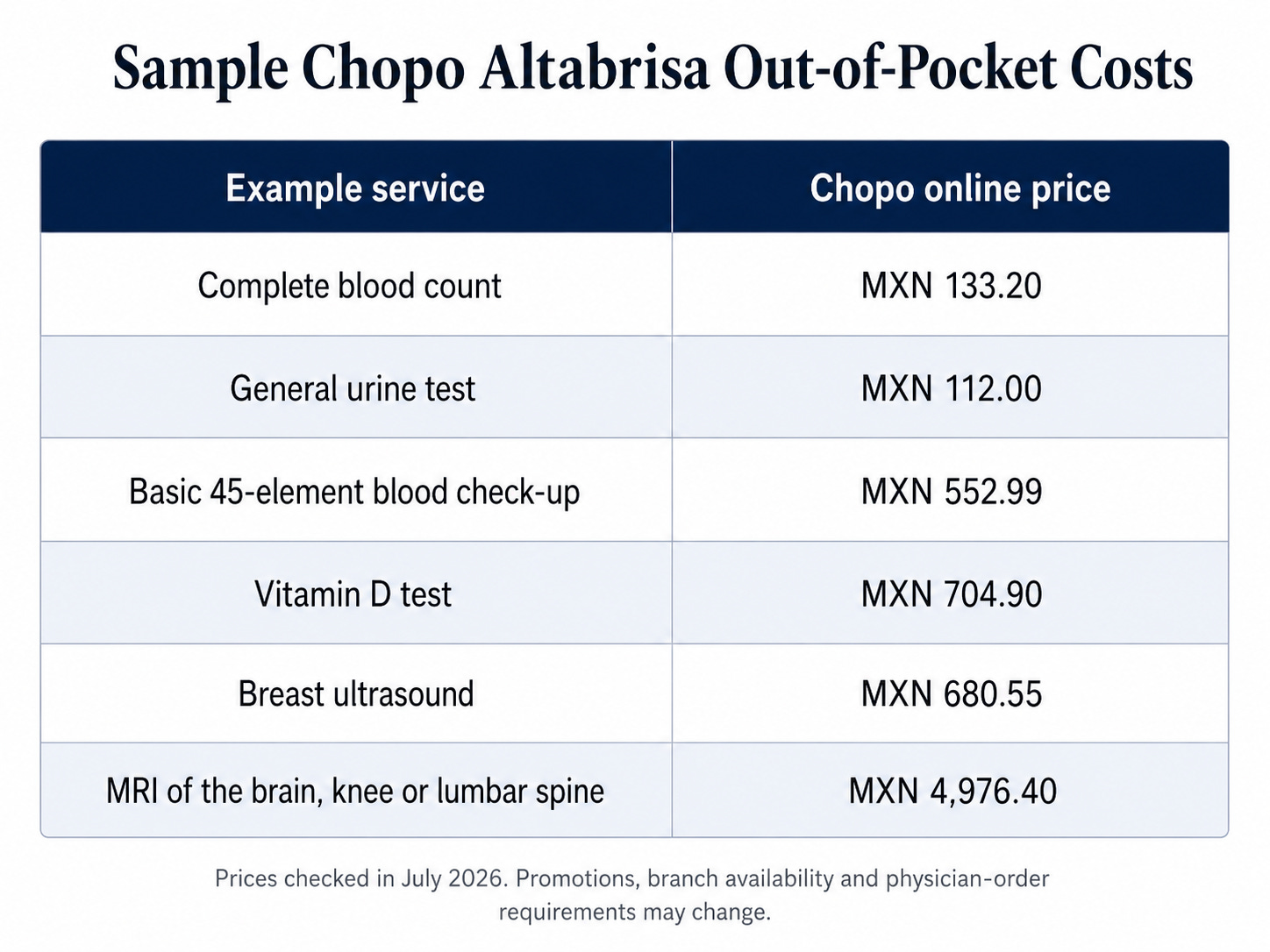
When the time comes to have bloodwork, an ultrasound or another diagnostic study completed, you can generally book it directly and arrange the appointment around your own schedule. Mérida offers several reputable diagnostic providers offering everything from routine blood tests to X-rays, ultrasounds, CT scans and MRIs. Two that I have used personally are Chopo and Salud Digna.
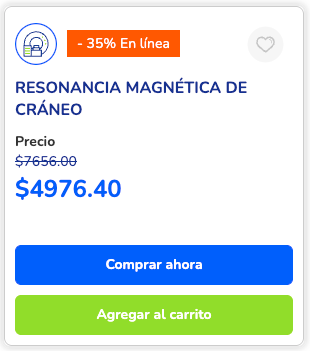
The great thing about Chopo is that it frequently runs promotions and even has a dedicated Promociones section on their website. At the time of writing, for example, it is offering 35% off a cranial MRI when purchased online, reducing the price from MXN 7,656 to MXN 4,976.40, or approximately C$401. Contrast, if required, costs extra, and certain imaging studies may require an order from a doctor.
Salud Digna is another useful option, especially for routine laboratory work and lower-cost diagnostic services. Depending on the location, its services can include blood and urine testing, X-rays, ultrasound, mammography, bone-density studies, eye examinations and glasses.
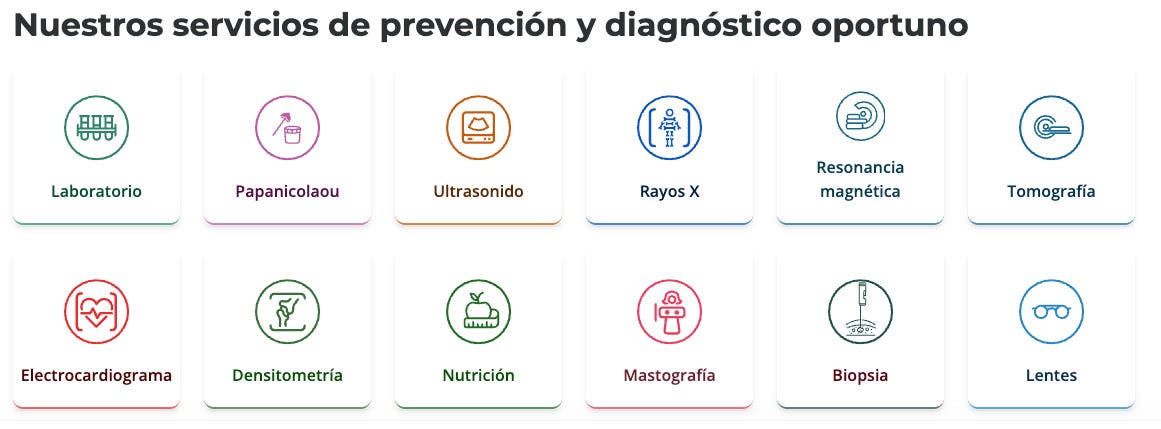
When I need several tests completed at once, I will often compare Chopo and Salud Digna to see which has the better price or an applicable promotion. Since the prices are posted online, it takes only a few minutes to compare the two before booking.
Access to Medicines and Natural Health Products
It is genuinely easy to find many controversial or restricted health products here, including products that cannot legally be marketed in the same way in Canada.
For example, Health Canada has forbidden the sale of any health products containing sodium chlorite (MMS) or chlorine dioxide solution (CDS). But you can just go to a store here and walk out with as much as you like. Same with raw milk, for example, which is not approved for sale in Canada. But here in the land of the free, you can buy it at a market or simply google a supplier and go pick it up.
Another example is vitamin B17, also sold as amygdalin or laetrile. Health Canada does not recognize B17 as a vitamin and has not authorized amygdalin or laetrile for sale as a therapeutic or natural health product. In Mexico, however, capsules and apricot-kernel products marketed as vitamin B17 are readily available through supplement sellers and major online marketplaces.
Same with ivermectin and fenbendazole, easily available over the counter without a prescription. You just go to the pharmacy, pick up what you need without having to deal with the Karen questioning your sanity or wanting to report you for wanting to take “horse dewormer".
One of the stores we often go to is Súper Naturista, which is a natural goods store. Here you can find anything from DMSO to colloidal silver, and pretty much any supplement or natural health product you can think of.
Integrative and Alternative Therapies
One advantage of private healthcare in Mérida is the range of alternative and integrative treatments available outside the conventional hospital system.
The more commonly advertised options are listed in the table below.
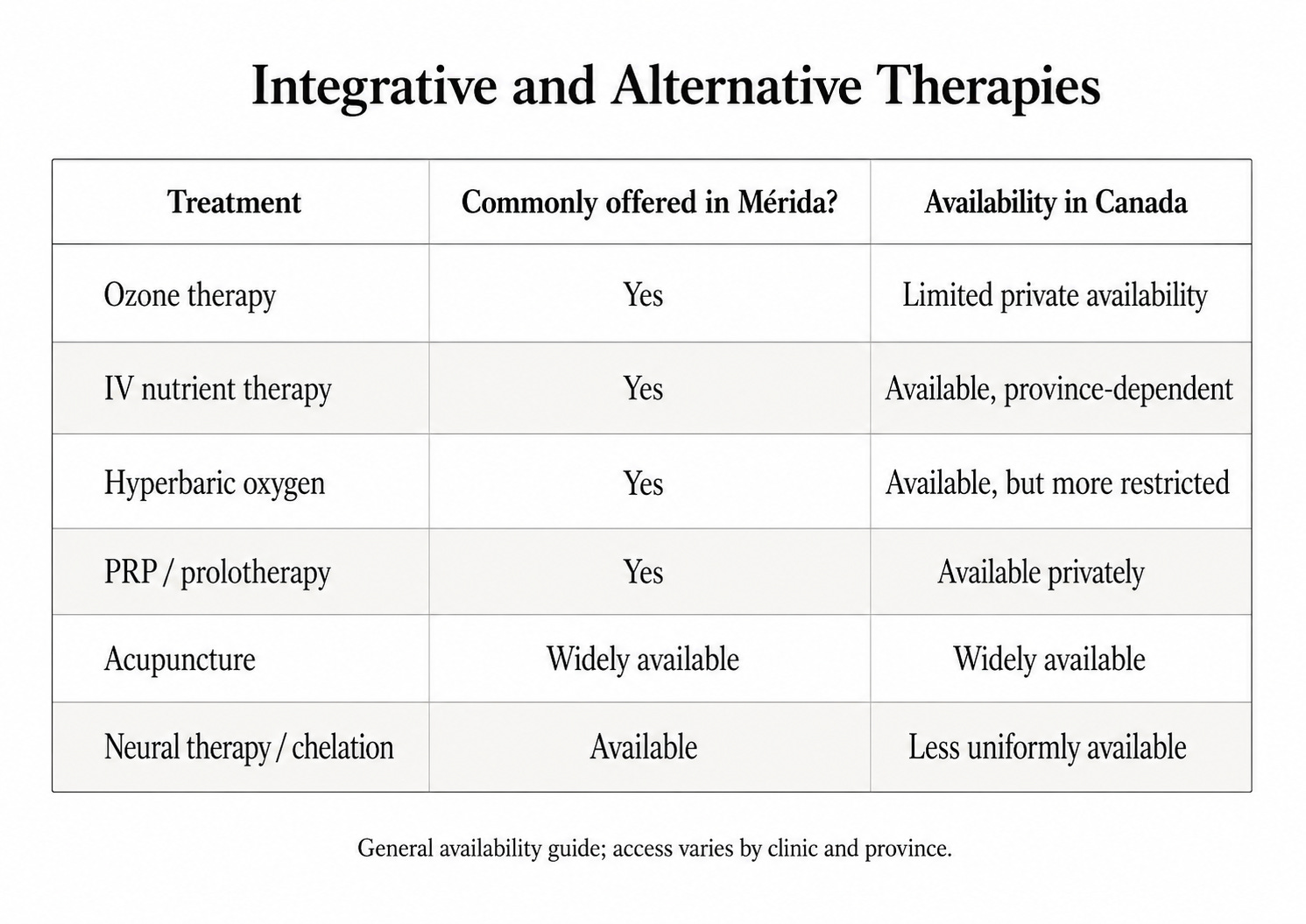
The difference is not that Canada prohibits every alternative treatment while Mexico allows them. It is that Mexico generally has a broader and more visible private market, lower treatment costs and fewer practical obstacles between the patient and the provider.
For someone interested in integrative medicine, Mérida offers considerably more choice than its size might suggest.
Getting help in English
Many of the more specialized doctors will speak sufficient English to assist you, but many of the family doctors, staff at private clinics and labs, and dentists may not. If you can’t get by using Google Translate, then it will make sense to hire a personal assistant that can accompany you for that purpose. Local assistance may begin around US$25, depending on the time involved, transportation and whether interpretation is required.
So, Can You Trust the Healthcare in Mérida?
Mérida offers strong private healthcare and unusually direct access to specialists. The public system is available but should not be romanticized: it can provide an important safety net, but patients may encounter long waits, medication shortages and limited equipment.
In general, private healthcare is very affordable for routine needs, but major hospitalization can still cost a pretty penny. Insurance becomes important with age or when dealing with any complications. The best arrangement is usually a combination of direct private payment, coupled with insurance and perhaps public coverage as backup. Before moving, identify your preferred hospital, doctor, insurer and emergency plan.
As a final observation, the bedside manner I have encountered is leaps and bounds ahead of what I experienced in Canada. Doctors often seem genuinely invested in the outcome of your treatment, and many will follow up with you personally afterward.
So, yes, you can trust the healthcare in Mérida. In fact, I trust it a lot more than the universal and free healthcare in Canada.
Planning a move to Mexico? Get the Mexico Temporary Residency Guide for a practical overview of the process, requirements and next steps.
Have you used healthcare in Mérida or elsewhere in Mexico? Subscribers can share their experiences in the comments below.
Read the first article in this series: The Exiled Mountie’s Guide to Living in Mérida
Stay free,
Exiled Mountie
I haven't had a need for healthcare in Mexico yet but my husband saw an orthopaedic specialist in San Miguel de Allende in 2023. There is a medical concierge that many expats use there and she will recommend doctors based on your needs. My husband send a Whatapp message to the specialist and he personally replied and made the appointment for the day my husband requested. A consult, with x-rays, cost $125 CAD. We were shocked! We also have the contact information for a family doc who makes house calls, which is unheard of in Canada. While we do not yet have an MRI in San Miguel I do believe one is coming. Queretero is around 1.5 hours away and it's a large city with everything one would need. There are two private hospitals in San Miguel so we are pretty well covered. To be honest, if I needed any kind of procedure or surgery I would have it done in Mexico without hesitation.
I'm intrigued by the availability of DMSO so I'll have to explore that when we go back for the winter.
A year ago my sister was in Mexico and had a heart issue. She raved about the care she received and was then transferred to Calgary hospital which was horrible in comparison our health care system has gone to the toilet and is circling the toilet bowl and now with MAID they want you to take that opeion